A car accident can leave more than just visible damage. Even a minor collision can affect parts of the vehicle you may not notice right away. Dents, scratches, and broken panels are obvious, but structural and safety components may also be impacted.
Knowing what happens after a crash helps you understand why proper collision repair matters. It is not just about appearance. It is about restoring the vehicle to a safe and reliable condition.
Initial Inspection and Damage Assessment
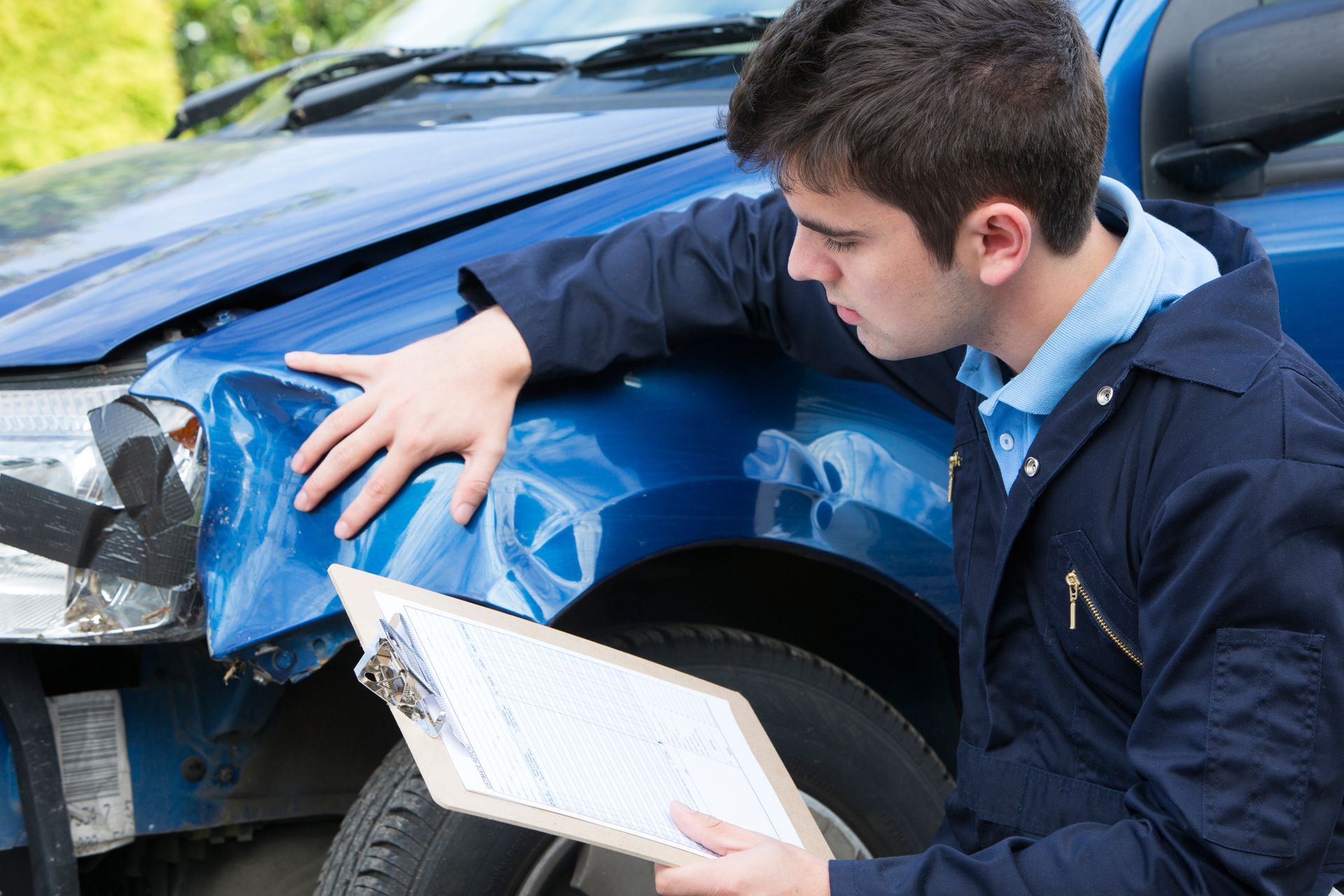
The first step after a collision is a detailed inspection. This goes beyond looking at visible damage. Technicians evaluate structural areas, alignment, and any systems that may have been affected by the impact.
Damage is often more extensive than it appears at first. A proper assessment helps identify everything that needs attention so repairs are complete and accurate.
Disassembly Reveals Hidden Damage
In many cases, parts of the vehicle need to be removed to inspect the damage fully. Panels, trim, and components may be taken apart to see what is happening underneath.
This step often reveals hidden issues such as bent supports, damaged mounting points, or affected safety components. Addressing these areas is critical to restoring the vehicle correctly.
Structural Repairs Restore Integrity
If the frame or structural components are damaged, they must be repaired before anything else. The vehicle's structure supports everything and helps protect occupants in future impacts.
Technicians use specialized equipment to measure and restore alignment. Bringing the structure back to proper specifications ensures the vehicle performs as intended.
Body Panel Repair or Replacement
Once structural work is complete, attention shifts to the body panels. Depending on the extent of the damage, panels may be repaired or replaced.
Minor dents can sometimes be reshaped, while more severe damage requires new parts. Proper fit and alignment are important so panels match and function correctly.
Surface Preparation and Painting
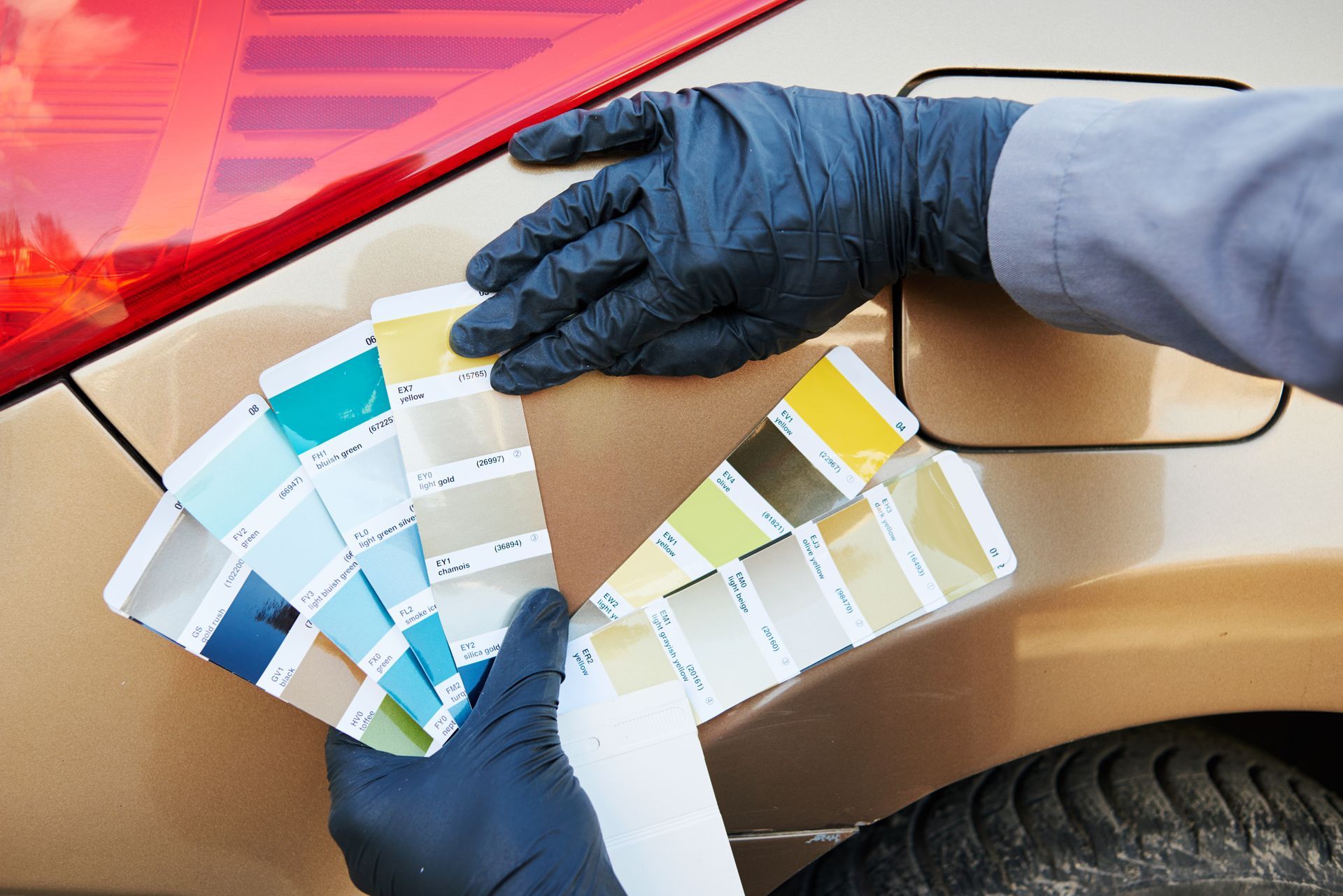
After repairs are made, the surface is prepared for paint. This involves smoothing, priming, and matching the original color. Paintwork is carefully blended to ensure a consistent finish.
This step is not just about appearance. It also protects the vehicle from corrosion and environmental damage over time.
Reassembly and Final Inspection
Once all repairs and painting are complete, the vehicle is reassembled. All removed components are reinstalled, and systems are checked to ensure everything is functioning correctly.
A final inspection verifies that repairs meet safety and quality standards. This step helps ensure the vehicle is ready to return to the road.
Safety Systems Are Checked and Restored
Modern vehicles include safety systems such as sensors, cameras, and airbags. After a collision, these systems need to be checked and, if necessary, recalibrated.
Ensuring these systems are working properly is essential. They play a key role in protecting you during future driving situations.
Why Proper Collision Repair Matters
Repairing only what is visible after a crash is not enough. Hidden damage can affect how the vehicle handles, protects passengers, and performs over time.
A complete repair process restores both safety and function. It ensures the vehicle is not just drivable, but dependable again.
When to Schedule Collision Repair
After any accident, even a minor one, it is important to have the vehicle inspected. Damage that seems small can lead to larger issues if left unaddressed.
Taking care of repairs promptly helps prevent further wear and keeps the vehicle in proper condition.
Get Collision Repair In Houston, TX, With Exclusive Collision And Customs
If your vehicle has been in an accident, Exclusive Collision and Customs in Houston, TX, can inspect the damage and restore your vehicle safely and correctly.
Call today to schedule your appointment and get your car back to looking and driving the way it should.